Chimney Inspection Levels Explained for San Rafael Homeowners
A chimney inspection in San Rafael, CA should answer one question clearly: is this chimney safe to use as it stands today? Chimney Services Pro structures every inspection around the three levels described in NFPA 211, the national standard for chimneys, fireplaces and venting systems, so you always know how deep the evaluation went.
- Level 1 covers the readily accessible parts of the system, including the firebox, damper and visible flue. It suits a chimney in regular use with no changes and no known problems.
- Level 2 adds a camera scan of the entire flue plus accessible attic and crawl spaces, the exterior and the roof. It is the right level when a house is sold, when the appliance or fuel changes, or after an event such as an earthquake, a chimney fire or a severe storm.
- Level 3 involves removing specific components or sections of wall when a serious hidden problem is suspected, and is recommended only when Level 2 findings point to it.
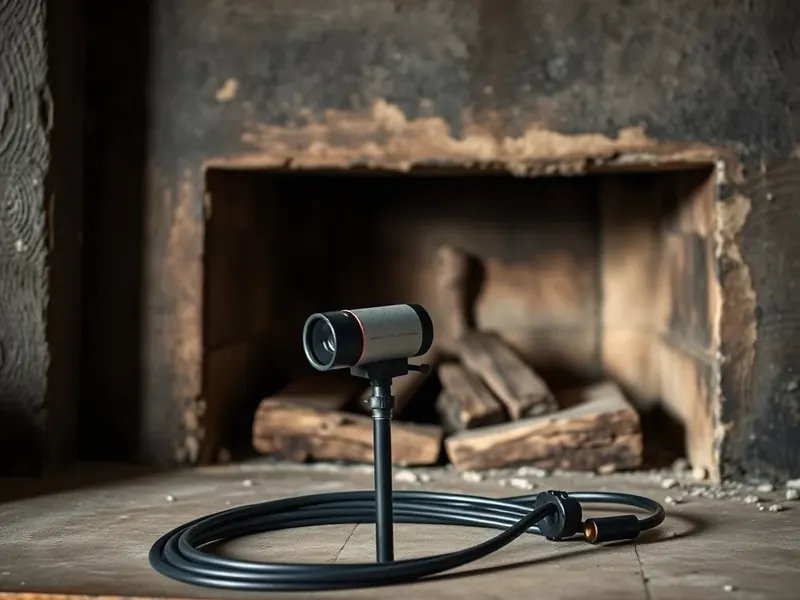
When a Level 2 Inspection Makes Sense in Marin
Several situations that come up often in San Rafael call for more than a quick look up the flue.
Buying or selling a home. Bay Area sellers and landlords must give buyers and renters the Air District's wood-burning disclosure describing the health effects of wood smoke. That form says nothing about the condition of the chimney itself. A Level 2 inspection does, and in older neighborhoods such as Gerstle Park and Dominican, where some chimneys are more than a century old, that is information you want before closing, not after.
After an earthquake. Even moderate shaking can crack clay flue tiles or separate a chimney from the house at the roofline, damage that is invisible from the living room. Marin sits between the San Andreas fault along its western edge and the Hayward fault across the bay, so post-quake checks are part of owning a chimney here. If we find structural movement, our seismic chimney repair options are the next conversation.
After a chimney fire, a major storm or a change of appliance. A roaring sound or shower of sparks from the chimney top, a new leak after an atmospheric-river storm, or plans to add a gas or wood heating unit all warrant a full camera scan before the next fire.
What We Check on Older, Hillside and Wildfire-Zone Homes
The technician works from the hearth to the chimney top and notes anything that affects safety, performance or water resistance, including:
- Cracked, shifted or missing flue tiles and open mortar joints inside the liner
- Creosote levels and signs of past chimney fires, such as glazed or puffy deposits
- Crown cracks, loose or spalling brick, and flashing where the chimney meets the roof
- Clearance between the chimney and wood framing in the attic
- A cap with an intact spark-arresting screen, which Marin County Fire's residential standards call for on solid-fuel chimneys
- Tree limbs within 10 feet of the chimney outlet, which California's defensible-space law calls for removing on the properties it covers
San Rafael has extended many wildfire building requirements from its designated wildland-urban interface to parcels across the entire city, and the fire department evaluates thousands of homes for defensible space each year. An inspection that looks at the chimney top with fire safety in mind fits that reality. Where a screen is missing or worn out, our spark arrestor and chimney cap installation is a quick fix.
Fireplace Inspections for Gas, Wood-Burning and Prefab Units
A fireplace inspection in San Rafael follows the same NFPA 211 levels, with the details shaped by the kind of fireplace you have. A masonry wood-burning fireplace gets a close look at the firebox, the firebrick and its mortar, the damper and the smoke chamber above it, where cracks and creosote tend to hide. A factory-built fireplace is checked against its manufacturer's listing: cracked refractory panels, warped or rusted parts, the joints of the metal chimney and the chase cover on the roof, because repairs and upgrades have to use parts approved for that model.
Gas fireplaces and gas log sets need their own checklist. The inspection covers the burner and the pilot assembly, the glass and its gasket on sealed units, the vent and its termination outside, and, for gas logs burning in an old wood fireplace, whether the damper is fixed open as those sets require. A fireplace that has been converted from wood to gas also gets a check that the flue suits the appliance now using it. If you are buying a home, our guide on what to check on the chimney when buying in Marin County covers the questions to settle alongside the inspection.
Your Inspection Report and What Happens Next
After the visit you receive a written report with photos and, for Level 2 work, the flue video. Findings are sorted into three plain categories: safe as is, maintenance recommended, and do not use until repaired. When something needs work, the report comes with a written estimate that explains the repair and why it matters, so you can compare options without pressure.
Many inspections end with nothing more than a recommendation for a routine chimney sweep. When a flue is cracked beyond what cleaning can address, relining is often the most practical answer, and our chimney liner installation page explains how that works. Either way, you will know exactly what you have before you light the next fire.
Timing matters too. Late summer and early fall are the best windows, ahead of the first cold snap and before winter storms make roof access harder. If you are buying a home, schedule the chimney inspection early in your contingency period so there is time to gather repair estimates before you have to decide.