Short answer
After an earthquake, treat a San Rafael brick chimney as damaged until it has been inspected, and keep the fireplace unlit until then. Check it only from a distance for a lean, missing bricks, a broken crown, debris or a gap at the wall, and keep people and cars out from under it. Cracked flue tiles cannot be seen from the room, and NFPA 211 calls for a Level 2 inspection, with a camera, after an earthquake.
Checking a chimney after an earthquake in San Rafael
After an earthquake, treat a brick chimney as damaged until someone has examined it properly, even if it looks normal from the yard. Earthquake chimney damage tends to hide where homeowners cannot see it: inside the flue, behind the firebox, and in the attic where the masonry passes the roof framing. San Rafael has good reason to take this seriously. The San Andreas Fault cuts through West Marin, from Bolinas Lagoon up the Olema Valley to Tomales Bay, while the Hayward Fault follows the East Bay hills across the bay and the Rodgers Creek Fault continues north into Sonoma County. The U.S. Geological Survey ranks the Hayward, Rodgers Creek, Calaveras and San Andreas as the Bay Area faults most likely to produce damaging earthquakes in the coming decades.
Many homes in San Rafael's older neighborhoods, among them Gerstle Park, the Dominican area and the streets around downtown, were built with unreinforced brick chimneys: no steel inside the masonry, often soft lime mortar, and sometimes no metal ties to the house framing. Below: how shaking damages that kind of chimney, what to check from a safe distance, why the fireplace stays cold until an inspection, and the retrofit options worth knowing before the next quake.
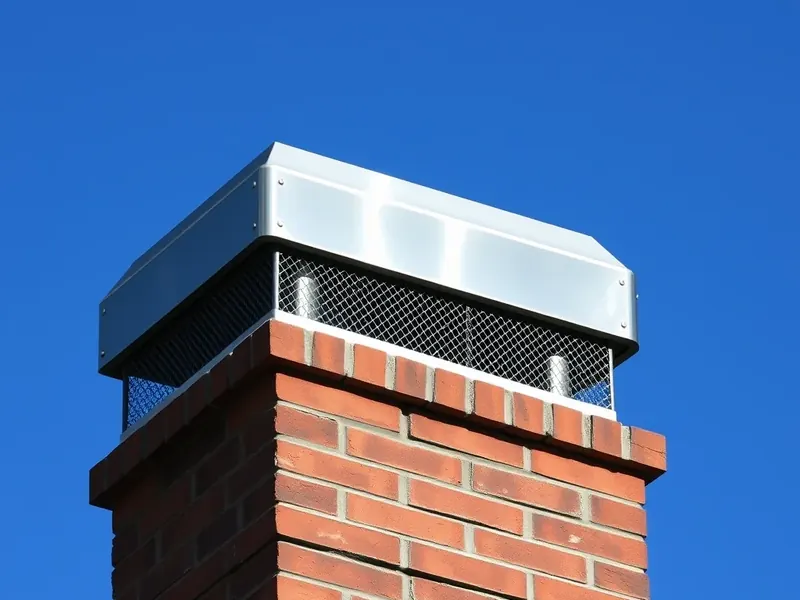
How earthquakes damage unreinforced brick chimneys
A wood-frame house bends and sways in an earthquake; a brick chimney cannot. It is a tall, heavy, rigid column with nothing around it above the roof, so as the ground moves, house and chimney move differently and the strain concentrates where they meet. Typical results include:
- A crack or clean break at or just above the roofline, where support from the house ends
- Loose or fallen bricks at the top, starting with the crown and the last few courses
- A gap opening between the chimney and the exterior wall, or ties to the floors and roof pulling loose
- Cracked, shifted or broken clay flue tiles inside the chimney
- Cracks where the firebox meets the smoke chamber and the masonry above it
The California Seismic Safety Commission's homeowner guide points out that tall, slender chimneys are the most likely to collapse, and that mortar which crumbles when you pick at it with a screwdriver is a warning sign. The magnitude 6.0 South Napa earthquake of August 2014 showed the pattern close to home: the USGS listed broken and cracked chimneys among the damage to wood-frame houses, and FEMA teams counted more than 100 damaged brick chimneys, including some built to modern standards and some that had been rebuilt after earlier damage.
What to check after the shaking, without standing under the chimney
Start with people, not the house. Once everyone is accounted for, look at the chimney from a distance, never from directly below it. A chimney weakened by the main shock can fall during an aftershock, which is why the Seismic Safety Commission advises approaching damaged chimneys with caution.
From the street or yard, look for:
- A chimney that leans, twists or no longer lines up with the wall beneath it
- Missing bricks, a broken crown, or a cap that has shifted or fallen off
- Brick or mortar debris on the roof, in the gutters or on the ground
- A new gap where the chimney meets the siding or the roof
From inside, check the firebox for fallen mortar, broken firebrick or pieces of flue tile, look for fresh cracks in the plaster or drywall around the chimney breast, and see whether the hearth has pulled away from the floor. A flashlight look into the attic can reveal brick fragments on the ceiling joists or daylight around the chimney, but skip it if the chimney above that spot looks damaged.
Stay off the roof; on the steep lots of Sun Valley, Glenwood and San Rafael Hill it is hazardous even on a calm day. Note what sits below the chimney, whether a deck, front steps, a side path or a parked car, and keep people and vehicles out of that zone until the chimney has been assessed. Photograph what you find for the inspector and any insurance conversation. If you have a gas fireplace or insert and smell gas, leave the house first and call the gas utility from outside.
Why the fireplace stays unlit until an inspection
The most dangerous earthquake damage is often invisible from the hearth. A cracked flue tile or an open joint inside the chimney gives heat, sparks and smoke a path to the wood framing around the masonry, so a fire built over that damage can ignite the structure from inside a wall. The same gaps can let combustion gases, including carbon monoxide, seep into living spaces instead of leaving through the top. The Seismic Safety Commission's guidance is direct: do not use a fireplace with a damaged chimney, because it could start a fire or let poisonous gases into the house.
The same caution applies to a gas fireplace or insert: shaking can loosen a vent connector or shift a liner and let exhaust spill indoors. Confirm the carbon monoxide alarms work, and leave every fireplace off until it has been checked.
A quake in late fall or winter arrives right when San Rafael households most want a fire, and it is tempting to light one to see whether the chimney still draws. A good draft says nothing about the condition of the tiles. After a regional quake, Chimney Services Pro gives homes with visible damage priority and same-day scheduling when available.
Retrofit, bracing and lightweight rebuild options
You do not have to wait for a quake to deal with a vulnerable chimney. After the Napa earthquake, FEMA published a recovery advisory on repairing earthquake-damaged masonry chimneys, and it recommends the same best practices for chimneys that are still intact. In general terms, its options run from simplest to most thorough:
- Removing the chimney down to the roof on a single-story house where the fireplace will no longer be used, then capping what remains
- Rebuilding from the top of the firebox up with a listed metal flue inside a light-frame chase, while keeping a sound masonry fireplace or adding a fireplace insert
- Replacing the firebox and chimney entirely with a factory-built fireplace and framed chase, when damage reaches below the firebox or the owner wants the masonry gone
Outside, the new framed section can be covered to match the house, including a brick veneer that reads like the original from the sidewalk of a Gerstle Park Victorian.
Two familiar fixes deserve caution. FEMA advises against steel braces that run from the chimney down to the roof, because such bracing is thought to have contributed to chimney failures in past earthquakes, and repointing worn joints, while good maintenance, does little on its own for strong shaking. Where a full fix has to wait, FEMA lists partial steps: plywood fastened in the attic to slow falling brick, and not sleeping right beside the chimney.
This is permitted structural work, handled through the City of San Rafael or, outside city limits, the County of Marin, and homes with a historic designation may face extra review. Our seismic chimney repair page explains how we approach these projects.
What a post-earthquake chimney inspection looks at
NFPA 211, the national standard for chimneys and fireplaces, lists an earthquake among the events that call for a Level 2 inspection. In practice that means the whole system rather than a glance up the flue:
- A video camera run through every flue, looking for cracked, offset or missing tiles and open mortar joints
- The firebox, damper and smoke chamber, including the joint between the firebox and the chimney above
- The attic and any crawl space the chimney passes through, for debris, displaced brick and clearance to framing
- The connection between chimney and house at each floor level and at the roof
- The exterior above the roof: crown, cap, flashing, top courses and any lean
If the structure held but tiles cracked, relining with a UL 1777-listed stainless chimney liner may restore a sealed flue. If the upper chimney is broken or loose, the conversation turns to rebuilding. Either way you receive photos and a written explanation first. You can book a chimney inspection in San Rafael or the nearby Ross Valley towns, where many older houses share the same tall brick chimneys.