Chimney Services in San Rafael, CA for Every Era of Home
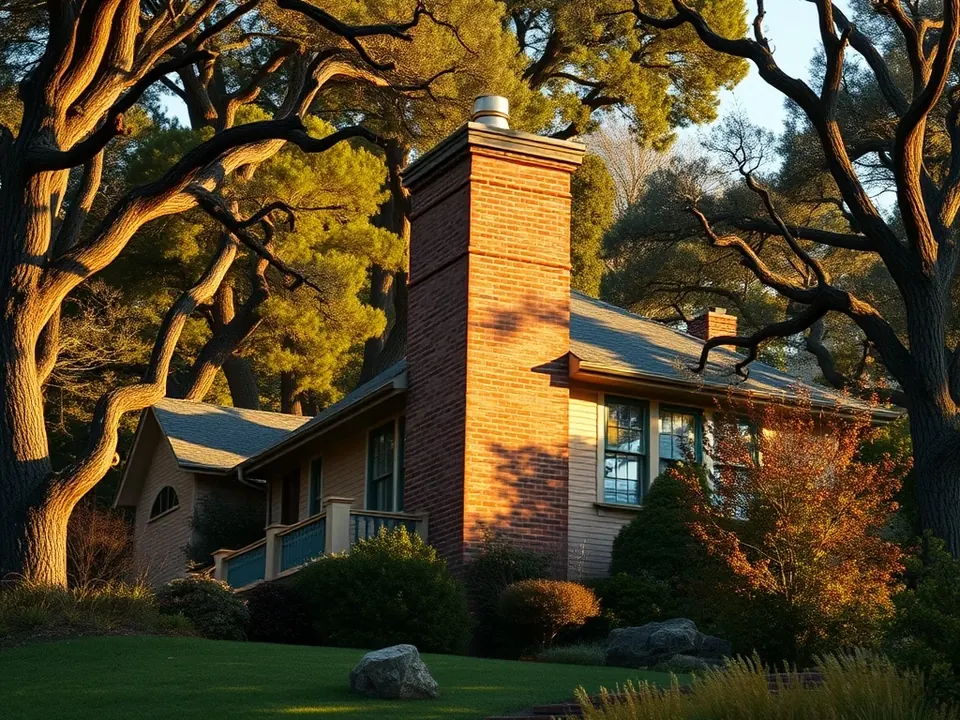
Chimney Services Pro provides chimney services in San Rafael, CA for the full range of homes the Marin County seat is known for. Gerstle Park, the city's first residential neighborhood, still has Victorian-era houses with tall brick chimneys and soft original mortar. Terra Linda is known for its midcentury Eichlers, the Dominican area mixes older homes near the university with postwar houses, and the waterfront streets of Loch Lomond and Peacock Gap run out along Point San Pedro Road, where damp, salty air works on metal caps and chase covers. Each of those settings wears a chimney out differently, so our work starts with finding out exactly what you have.
That matters because a San Rafael fireplace can be almost anything: a brick chimney with a clay tile flue, an older masonry chimney with no liner at all, a factory-built fireplace with a metal chimney hidden inside a wood-framed chase, or a gas appliance vented through a sealed liner. Each system has its own standards, failure points and repair methods. That is why a good visit looks at the flue, firebox, smoke chamber, damper, crown, cap and roof flashing as one connected system rather than selling a single fix in isolation.
Our core work covers:
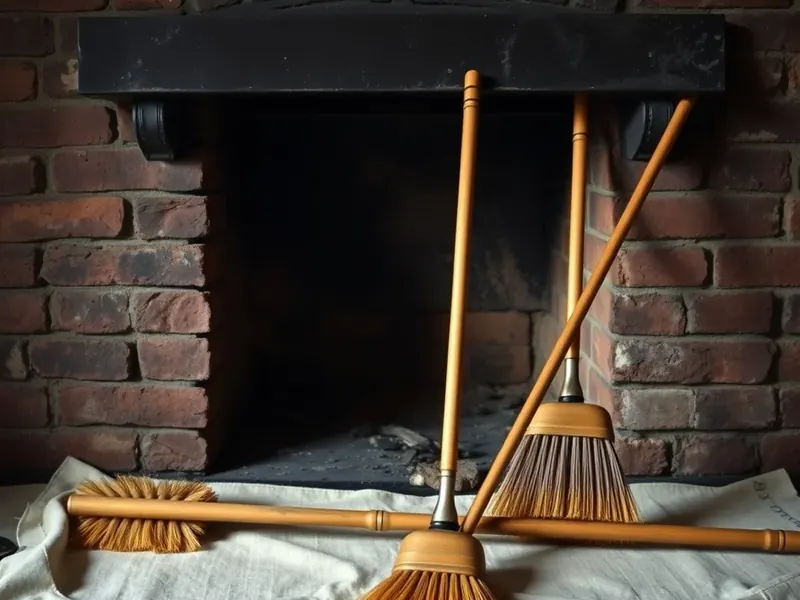
- Sweeping and cleaning of wood-burning fireplaces, stoves and flues, with a written report and photos.
- Inspections at Level 1, 2 or 3 following NFPA 211, including camera scans for home sales and after earthquakes.
- Masonry and seismic repair, from repointing and crown rebuilds to reinforcing or lightening a vulnerable chimney top.
- Caps and spark arrestors, stainless steel liners, leak repair, fireplace repair and cleaner-burning fireplace upgrades.
- Dryer vent cleaning, because a lint-clogged vent is one of the most common fire hazards in any home.
Earthquake Safety for San Rafael's Brick Chimneys
San Rafael sits between some of California's most closely watched faults: the San Andreas Fault runs through West Marin, while the Hayward and Rodgers Creek faults lie across the bay and to the north. Strong shaking puts the most stress on the part of a masonry chimney that sticks up above the roof. That section is heavy, top-loaded and usually unreinforced in older homes, and it tends to crack or snap at the roofline, right where the house stops bracing it.
A useful lesson from the 1989 Loma Prieta earthquake is that many old chimneys rode out the shaking, while the ones that failed were, by and large, already in poor shape: eroded mortar, cracked crowns, loose top courses and water-damaged brick. In other words, routine maintenance is seismic preparation. During an inspection we look closely at:
- Mortar joints above and just below the roofline, where erosion weakens a chimney most.
- Cracks or gaps where the chimney meets the exterior wall or roof framing.
- Crown and top-course condition, including loose brick that could fall onto a roof, deck or walkway.
- Cracked or offset flue tiles, which can let heat and smoke reach wood framing after even a moderate quake.
When a chimney needs more than tuckpointing, seismic chimney repair options include rebuilding the top section with proper reinforcement, or removing heavy brick above the roofline and replacing it with a lighter framed chase and a listed metal flue. After a noticeable earthquake, NFPA 211 calls for a Level 2 inspection before the next fire, because flue damage is often hidden even when the outside of the chimney looks fine.
Wildfire Embers, Spark Arrestors and Hillside Streets
Many San Rafael neighborhoods climb straight into open space: the ridges above Dominican/Black Canyon and Sun Valley, the slopes of San Rafael Hill above Lincoln Avenue, and the open land of China Camp State Park and San Pedro Ridge near Santa Venetia and Peacock Gap. Dry grass and oak woodland sit close to homes for much of the year, and fall offshore winds can carry sparks a long way. A chimney that throws embers is a risk to your own roof and to the whole hillside.
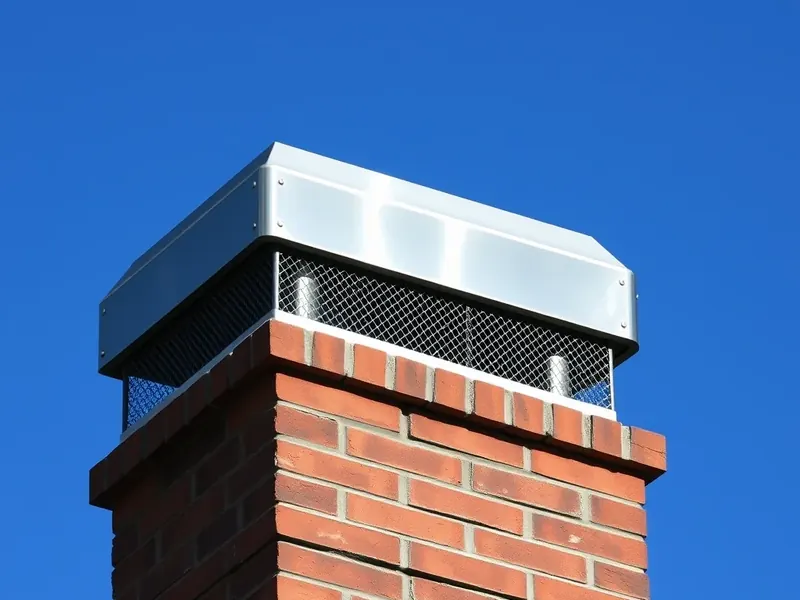
Marin County fire rules call for a spark arrester screen of noncombustible material, with openings no larger than half an inch, over the outlet of every chimney serving a fireplace, stove or other solid-fuel appliance. We fit chimney caps with spark arrestors sized to the flue, built from stainless steel that won't rust through after a few winters, and fastened so wind can't lift them. We also check the rest of the picture:
- Tree limbs within 10 feet of the chimney outlet, a clearance written into California's defensible-space law for designated fire hazard areas.
- Arrestor screens clogged with creosote, which choke the draft and push smoke back into the room.
- Leaves and needles packed behind the chimney or in roof valleys, where a stray ember could land.
On Red Flag Warning days, the safest choice for any wood-burning fireplace in the hills is simply not to light it.
Clean-Air Rules: Winter Spare the Air and Cleaner Fireplaces
Wood smoke is a major source of wintertime particle pollution in the Bay Area, so most Spare the Air alerts from the Bay Area Air Quality Management District come during its Winter Spare the Air season, November through February. The ban itself has no calendar limit: on any day an alert is in effect, burning wood, manufactured fire logs or any other solid fuel is banned indoors and outdoors across Marin and the rest of the district. Gas, propane and electric fireplaces are allowed. The only exemption is for homes whose sole source of heat is a registered EPA-certified or pellet appliance, and an open-hearth fireplace no longer qualifies. Check the Air District's website before you light a fire on a cold, still evening.
The same agency's wood-burning rule also shapes remodels. New construction in the Bay Area can't include a wood-burning fireplace, and a substantial fireplace or chimney remodel that exceeds the district's cost threshold and needs a building permit must switch to a gas, electric or EPA-certified device. If you are planning work on an older San Rafael fireplace, it pays to know which side of that line the project falls on before design decisions are made.
For most homeowners the practical choice comes down to three paths:
- Keep burning wood, but cleaner, with dry, seasoned hardwood at 20 percent moisture or less, a clean flue and a correctly sized liner.
- Upgrade to EPA-certified wood burning, with a wood stove or fireplace insert that burns far more completely than an open hearth.
- Switch to gas, usually a sealed direct-vent unit that can be used on Spare the Air days.
We handle the chimney side of all three, including relining for new fireplace inserts and checking that the flue matches the appliance's listing.
Winter Storm Leaks, Bay Air and Hillside Roof Access
Marin's rain tends to arrive in bursts, often as long, wind-driven storms that find every weakness in a chimney. Water usually gets in through a cracked crown, flashing that has pulled away from the brick, porous masonry or a missing cap, and it can travel inside the chimney before showing up as a stain on a ceiling several feet away. Along the bayside neighborhoods of Loch Lomond, Peacock Gap and Santa Venetia, salty, humid air adds corrosion to the mix, rusting galvanized caps, dampers and chase covers well before their time.
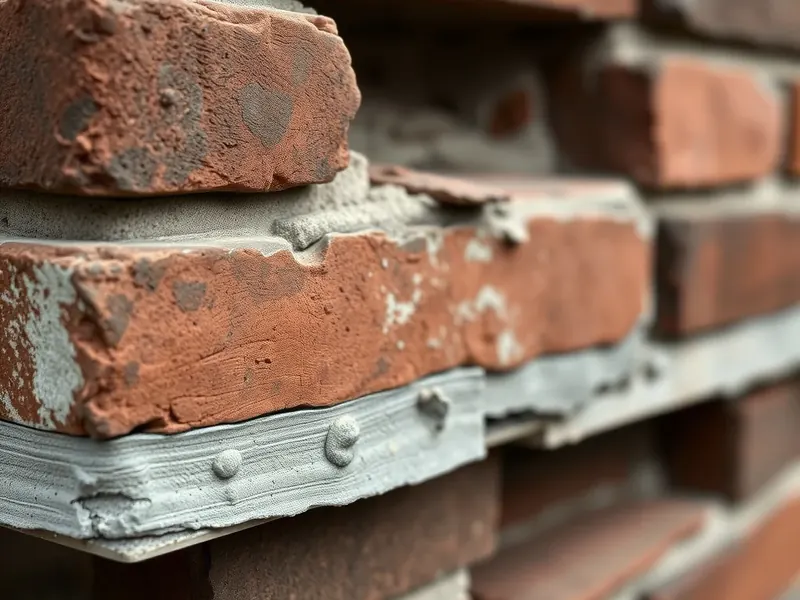
Signs that storm water is reaching your chimney include brown staining near the chimney breast, white efflorescence on brick, rust flakes on the smoke shelf, a damper that sticks, and a musty campfire smell on rainy days. Our chimney leak repair process traces the leak to its source first, then repairs it properly: a crown rebuilt with an overhang and drip edge, step and counterflashing set into mortar joints, a stainless cap, and a breathable water repellent that keeps rain out while letting brick dry.
Getting to the chimney is its own job in much of San Rafael. Homes on the upper streets of Gerstle Park, in Sun Valley and around Dominican often sit on steep lots with tall roofs, clay tile or slate. We plan access before the visit, use roof protection and fall protection where we walk, and switch to an in-flue camera inspection when walking a fragile roof would do more harm than good.
Chimney Repair Specialists for San Rafael's Older Homes
When a sweep or inspection turns up damage, the next question is who should fix it. Chimney repair in San Rafael is specialist work: a cracked crown, loose flashing, spalled brick or a failed flue tile each calls for different materials and a different method, and the wrong patch can trap water inside the masonry. Chimney Services Pro matches you with a trusted chimney pro from our local network who works on chimneys day in and day out, rather than a general handyman.
The right match depends on what the inspection found:
- Masonry repair for repointing, rebuilt crowns and replaced brick, using mortar that suits older Gerstle Park and Dominican chimneys. Our chimney repair specialists page covers the details.
- Flue and liner work when tiles are cracked or a new appliance needs a correctly sized chimney liner.
- Earthquake-minded rebuilds for tall brick stacks above the roofline.
Whoever does the work, you get a written estimate after the inspection and before any repair begins, so the scope is clear first.
What to Expect When You Book, and When to Book
Most San Rafael homeowners think about the fireplace on the first cold, damp evening of the season, which is exactly when schedules fill up. September and October are the best months for a sweep or inspection: you are ahead of the rains, ahead of the Winter Spare the Air season, and there is time to order a cap, liner or damper if one is needed.
Here is how a typical visit from Chimney Services Pro works:
- We confirm the type of fireplace, stove or appliance and ask how you use it.
- Drop cloths and a HEPA-filtered vacuum protect the room, and the firebox opening is sealed while we clean.
- We sweep from the roof or the firebox, depending on the chimney, then scan the flue with a camera.
- You receive photos, a plain-language summary and a written estimate before any repair begins.
To prepare, let the fireplace sit unused for at least a day so ashes are cold, clear a few feet around the hearth, and tell us about pets, gate codes or tight parking on narrow hill streets. If you suspect a chimney fire, call 911 first. For urgent problems like storm damage or smoke entering the house, we offer priority and same-day scheduling when available. Learn more about our chimney and fireplace inspection levels, or see the Marin towns we serve beyond San Rafael.