Chimney Repair in San Rafael Begins With an Honest Diagnosis
Good chimney repair starts with knowing why the damage happened. A cracked crown, a stain on the ceiling and a loose brick at the top of the stack can share one cause or have three different ones, and patching the symptom without finding the source is how homeowners end up paying for the same fix twice. Chimney Services Pro begins every chimney repair in San Rafael with a close look at the masonry, the flashing and the flue, then puts the diagnosis and the recommended work in writing before any tools come out.
That diagnosis is what separates a chimney repair specialist from a general handyman. The pro we send from our local network works on chimneys day in and day out and knows how soft old mortar, unreinforced brick and central Marin's long, wet winters change the right fix. We handle the everyday repairs that keep a sound chimney sound, and we are straightforward when a chimney has reached the point where more patching is no longer the safest use of your money.
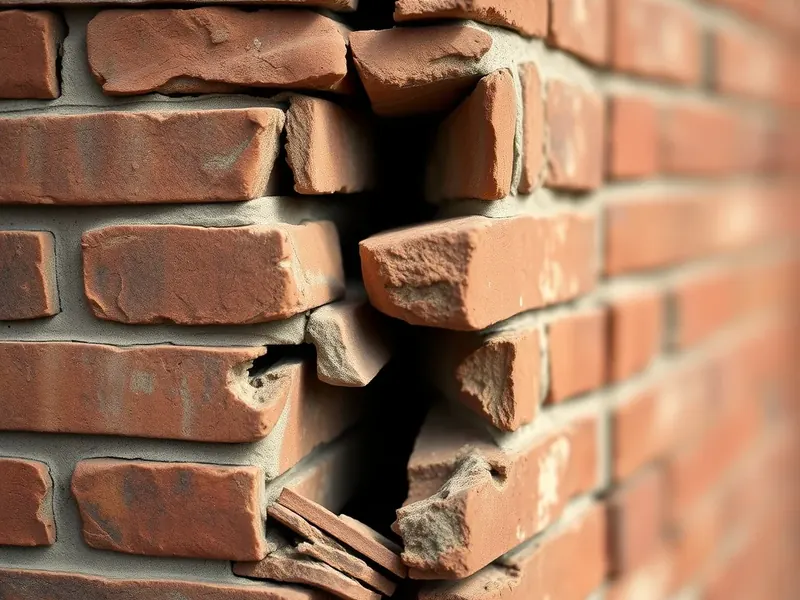
Why Chimneys in Central Marin Wear the Way They Do
In colder parts of the country, chimneys crack mostly from freeze-thaw cycles. Hard freezes are rare in San Rafael, so the damage here follows a different pattern:
- Soaking winter rain. Atmospheric-river storms can drive rain into masonry for days at a time. Water that gets past a cracked crown or into soft mortar slowly washes out joints and rusts the damper and firebox parts below.
- Long dry summers. Mortar and crowns dry out, shrink and open hairline cracks, which lets the next winter's rain in more easily.
- Age and original materials. Many chimneys in Gerstle Park and around Dominican date to the late 1800s and early 1900s, when softer lime-based mortar was standard. Repointing them with modern high-strength mortar can crack and spall the old brick.
- Ground and seismic movement. Hillside lots and past earthquakes leave stair-step cracks, gaps at the roofline and chimneys that have started to lean away from the house.
Chimney Repairs We Handle
- Repointing (tuckpointing): grinding out deteriorated joints and refilling them with mortar compatible with the existing brick.
- Crown repair and replacement: sealing hairline cracks, or rebuilding the crown with a proper overhang and drip edge so water falls clear of the brick.
- Brick replacement: removing spalled or cracked units and setting salvaged or closely matched brick.
- Stucco-clad chimneys: repairing cracks and failed patches on the stucco chimneys common on California ranch and mid-century homes, and checking what the stucco has been hiding.
- Flashing: resetting or replacing step and counter flashing, the most frequent source of chimney-related roof leaks.
- Smoke chamber and firebox masonry: parging a rough smoke chamber and replacing damaged firebrick.
When the main problem is water, our chimney leak repair and waterproofing service goes deeper into flashing, crowns and breathable water repellents.
Repair, Reinforce or Rebuild: Making the Right Call
Some chimneys are best served by targeted repairs. Others have loose brick above the roofline, a visible lean or cracks that run through the full thickness of the masonry. In earthquake country, patching that kind of chimney is a poor trade: a heavy, unreinforced stack that has already cracked is the part of the house most likely to fall in the next strong quake. When we see that, we say so plainly and walk you through our seismic chimney repair options, which include rebuilding the upper chimney with a lightweight, code-compliant system.
If you are unsure which category your chimney falls into, a Level 2 chimney inspection gives both of us the full picture, including the condition of the flue that cannot be seen from the roof. We also check whether the chimney is still tied to the house framing where it passes the ceiling and roof, since a chimney pulling away from the house is a warning sign in its own right.
What Affects the Cost of Chimney Repair
Every repair is quoted in writing after we have seen the chimney, and the main cost factors are predictable:
- How far the chimney rises above the roof and how steep the roof is, which matters on hillside homes in neighborhoods like Glenwood and San Rafael Hill
- The amount of masonry involved and whether old brick has to be matched
- Whether scaffolding or extra roof protection is required
- Whether the work is structural and needs a permit from the City of San Rafael or the County of Marin
- Hidden damage uncovered once deteriorated material is removed, which we always discuss with you before going further
Season affects scheduling more than scope. Masonry work is best done in the dry months, so booking repairs in spring or summer gets the chimney sealed and cured before the first atmospheric river of the season.
The same careful approach applies across central Marin, including the older chimneys of San Anselmo just up the Ross Valley.