Chimney Leak Repair Built for Atmospheric-River Winters
San Rafael's rain arrives in bursts. Months of dry weather give way to atmospheric-river storms that drive heavy, wind-blown rain against roofs and chimneys for days on end. The storms that began in late December 2022 were severe enough for the County of Marin to proclaim a local emergency, with flooded neighborhoods and inundated roads reported around the county. Weather like that finds every weak point, and a chimney, which passes through the roof and stands exposed on all four sides, has more of them than almost anything else on a house.
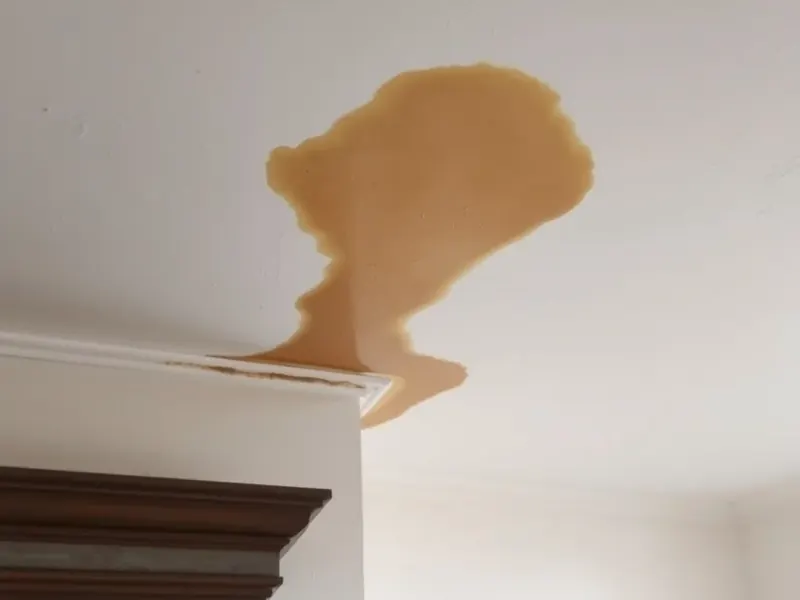
Effective chimney leak repair starts with a simple fact: the stain on your ceiling is rarely directly below the entry point. Water can travel along framing, down the inside of the flue or behind stucco before it shows. Chimney Services Pro traces the path first, then repairs the source.
Where Chimney Leaks Actually Start
- Flashing. Failed or poorly installed step and counter flashing where the chimney meets the roof is the most common culprit.
- The crown. A cracked crown, or one without a drip edge, lets water soak straight into the top of the masonry.
- A missing or damaged cap. An open flue collects rain directly, rusting the damper and staining the firebox.
- Porous brick and mortar. Old, soft brick and eroded joints absorb water during long storms, especially on century-old chimneys in Gerstle Park and Dominican.
- Stucco cracks. Hairline cracks in stucco-clad chimneys pull water in behind the finish, where it can rot framing unseen.
- No cricket. A wide chimney on the downhill side of a roof slope needs a small diverter, called a cricket, so water and leaves do not pool against its back face.
How We Diagnose a Leaking Chimney
We start inside, mapping stains and checking the attic around the chimney for wet framing or insulation. On the roof we examine the flashing, crown, cap and masonry, and a camera inspection shows whether water is entering the flue itself. Where the source is still unclear, a controlled water test, wetting one area at a time while someone watches inside, isolates the entry point. You receive photos and a written explanation of what we found before any repair is scheduled.
This step matters most on hillside homes in neighborhoods such as Glenwood and San Rafael Hill, where steep, complex rooflines can send water along unexpected routes before it reaches the chimney.
Repairs and Waterproofing That Hold Up
Once the source is known, the fix can be targeted:
- Resetting or replacing flashing, with counter flashing cut into the mortar joints rather than glued to the face of the brick
- Repairing or rebuilding the crown with an overhang so water drips clear of the chimney
- Installing a full-width or single-flue cap, described on our chimney cap and spark arrestor page
- Repointing eroded joints and replacing spalled brick through our chimney repair service
- Applying a vapor-permeable water repellent that keeps rain out while letting trapped moisture escape; we never use paints or film-forming sealers that lock water inside masonry
- Adding a cricket behind wide chimneys
Timing Chimney Waterproofing Before the Rains
The best time for leak repair and waterproofing is the dry season, when masonry is dry enough to accept a repellent and new mortar can cure properly. Late summer and early fall book up quickly, so scheduling early helps. If a leak appears mid-storm, we can provide temporary protection and schedule the permanent repair for the first dry window, with priority or same-day scheduling when available.
Rainfall varies a great deal across central Marin. The Ross Valley, including Kentfield, typically records more rain than downtown San Rafael, so chimneys there deserve an especially close look before winter.
Early Signs of Chimney Water Damage
Leaks rarely begin with a drip. Watch for these quieter signs, especially after the first storms of the season:
- Brown or yellow stains on the ceiling or wall beside the chimney
- Peeling paint or bubbling plaster near the fireplace
- White, powdery deposits called efflorescence on the brick
- Rust on the damper, glass doors or fireplace screen
- Water, or a damp and musty smell, in the firebox after rain
- Loose or damaged roofing right around the chimney base
Catching these early usually keeps the repair to flashing, a crown or a cap, rather than rotted framing and replaced drywall. If the chimney also shows cracked brick or open joints, ask the pro whether the masonry and the leak can be fixed in the same visit.