Chimney Sweep and Repair for San Anselmo's Mix of Homes
San Anselmo sits in the heart of the Ross Valley, and its housing reflects more than a century of growth along the creek and up the surrounding hills. Around the old San Francisco Theological Seminary, quiet, tree-lined streets hold homes from the 1920s alongside midcentury houses and a few newer builds on infill lots. Sleepy Hollow, stretching north along Butterfield Road, has bigger properties with pools, outbuildings and backyards that open onto hillsides, while the streets near Red Hill trade flat yards for views and steeper driveways. For chimney sweep and repair in San Anselmo, that variety means no two visits look quite the same.
Older San Anselmo chimneys are usually brick with clay tile flue liners, and many have been through several Bay Area earthquakes and dozens of wet winters. Common findings include eroded mortar near the roofline, cracked flue tiles, and rough smoke chambers where creosote collects in the corners. Midcentury homes often have wide, open fireplaces that struggle to draft when the flue is undersized for the opening. A thorough chimney sweep and cleaning removes the fuel for a chimney fire, and the camera inspection that follows shows whether the flue itself is sound.
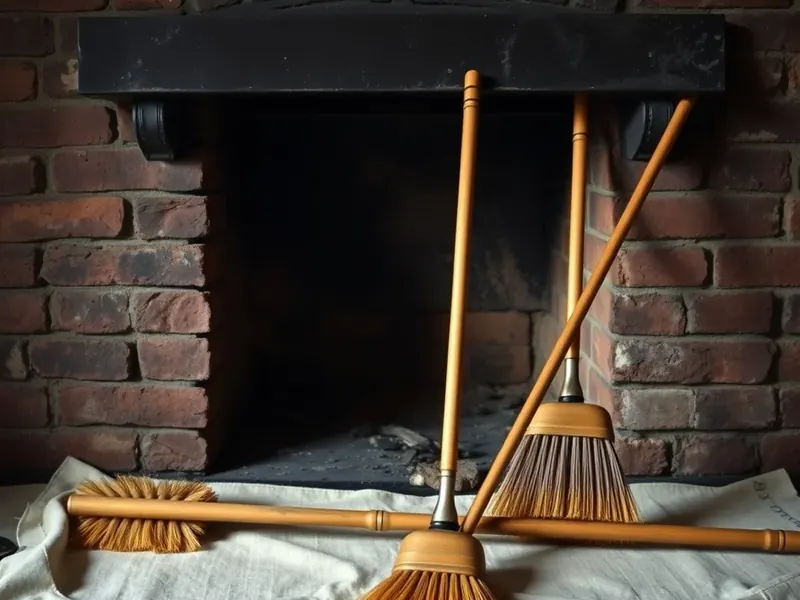
Creek Moisture and Storm Leaks in the Ross Valley
San Anselmo knows water. San Anselmo Creek runs right through downtown, and on New Year's Eve 2005 it rose over its banks and sent muddy water through the business district along San Anselmo Avenue. Even homes well above the flood zone feel the valley's wet winters: masonry that stays damp for weeks, dampers that rust shut, and water that seeps in through cracked crowns and tired flashing during long storms.
Signs that water is getting into your chimney include:
- Brown staining on the ceiling or wall beside the chimney breast.
- White, powdery efflorescence on brick inside or outside.
- A musty campfire smell that gets stronger on rainy days.
- Flakes of rust or tile on the smoke shelf or firebox floor.
Our chimney leak repair work traces the entry point before anything is sealed. That may mean rebuilding a crown with a proper overhang, resetting step flashing and counterflashing, replacing a missing cap, or applying a vapor-permeable water repellent that lets the brick breathe. If floodwater ever reached your home, have the firebox, ash pit and cleanout checked before the next fire, since soaked masonry and rusted metal parts can fail quietly.
Wooded Hillsides, Embers and Spark Arrestors
Much of San Anselmo backs onto oak and bay woodland, and its hillside neighborhoods share the Ross Valley's wildfire exposure. A chimney without a working spark arrestor is an easy path for embers to reach dry leaves on a roof or deck. We install stainless steel caps with arrestor mesh that meets the half-inch opening limit in California's wildland-urban interface code, sized so the screen's open area is at least four times the flue outlet to keep the draft strong. We also point out overhanging limbs, since California's defensible-space law calls for removing any part of a tree within 10 feet of a chimney outlet in designated fire hazard areas, and we clear leaf litter that builds up where the chimney meets the roof.
Clogged arrestor screens are a common cause of smoky fireplaces in wooded areas, especially where creosote and debris build up together. An annual sweep keeps both the flue and the screen clear.
Scheduling a Chimney Visit in San Anselmo
Chimney Services Pro serves San Anselmo from our base a short drive east in San Rafael, so fall appointments are easy to fit around your week. Many streets here are narrow and parking is tight, so let us know about steep driveways, shared access or gates when you book. We lay down drop cloths, run a HEPA-filtered vacuum while we work, and leave you with photos and a written estimate for anything that needs attention. Neighbors farther up the valley can compare notes on our Fairfax chimney service page.