Chimney Sweep Service Timed for San Rafael's Short Burn Season
Most San Rafael households light a fire on a limited number of evenings each year. Cold, still nights between November and February are when a fireplace feels best, and they are also the nights the Bay Area Air District is most likely to call a Winter Spare the Air alert, which makes burning wood, manufactured logs or any other solid fuel illegal for the day. Booking a professional chimney sweep before that season starts means the evenings you can burn are spent enjoying the fire, not wondering what is lining the flue.
Light use does not mean light maintenance. A fire that is lit only now and then tends to start cold and smolder, and cool, smoky fires leave more creosote behind than a steady, hot one. Meanwhile, a chimney that sits unused from spring through fall collects oak and bay laurel leaves, twigs, cobwebs and, all too often, the nest of a bird or raccoon that found a quiet, dry shaft. Chimney Services Pro plans every sweep around that local pattern: we remove what the fires left behind and clear out what the idle months brought in.
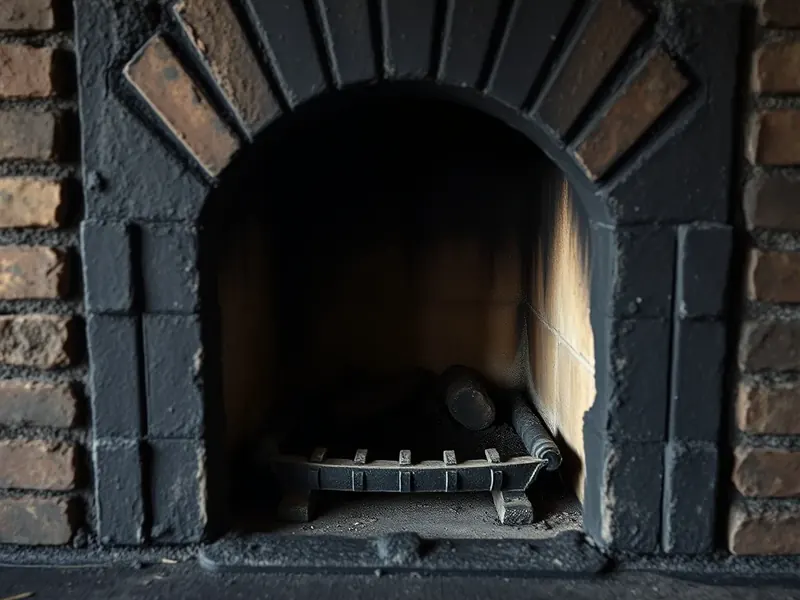
What Our Chimney Cleaning Includes
Every chimney cleaning follows the same careful sequence, whether the house is a two-story Victorian near downtown or a single-level home at the north end of town:
- Protection first. Drop cloths cover the path from the entry to the hearth, the fireplace opening is sealed, and a HEPA vacuum runs throughout so soot stays out of the room.
- Full-length flue cleaning. Brushes or rotary whips sized to your flue remove soot and creosote from the firebox to the top of the chimney.
- Smoke chamber and smoke shelf. The area just above the damper holds the heaviest buildup and most of the fallen debris, so it gets hand attention.
- Damper and cap check. We confirm the damper opens and closes fully and that the cap and spark screen are intact and not clogged with soot.
- Camera review. A video look inside the flue lets us spot cracked tiles or open joints that no brush can fix, and you receive photos of what we saw.
If the camera shows something beyond a cleaning, we explain it on the spot and recommend a formal chimney inspection rather than guessing at repairs.
Signs You Need a Sweep Before the Next Fire
Creosote and blockages rarely announce themselves, but they do leave clues. Schedule a sweep if you notice any of the following:
- A campfire or musty odor from the fireplace on warm days or after a heavy rain
- Black, flaky or tar-like deposits on the damper or firebox walls
- Smoke that rolls into the room instead of rising up the flue
- Scratching, chirping or twigs dropping onto the grate
- A damper that sticks after sitting closed all summer
- Your last cleaning was more than a year ago, or you are not sure when it was
A stiff or rusted damper is especially common in San Rafael, where fireplaces sit idle for months, soak up damp winter air, and are then asked to perform on the first cold night. If yours will not seat properly, our fireplace repair service can free it, repair it or replace it with a better-sealing design.
Sweeping Victorian, Mid-Century and Hillside Homes
San Rafael's housing stock asks different things of a chimney sweep. Gerstle Park, the city's first residential neighborhood, and the streets around Dominican still hold many homes from the late 1800s and early 1900s, some with more than one flue inside a single chimney and older clay or brick passages that call for a gentler touch. Many mid-century homes in Terra Linda have low-slung rooflines, and a short chimney on a low roof is more prone to weak draft and smoke spillage. On the steep lots of Glenwood and the Lincoln and San Rafael Hill area, simply getting onto the roof safely becomes part of the job plan.
We match the method to the house. Where a roof is too steep or too fragile to walk, we clean from the firebox up with rotary equipment instead of forcing a ladder onto clay tile or aging wood shakes. Where one chimney serves two or three fireplaces, each flue is identified and cleaned on its own so nothing gets skipped.
Keeping Creosote Down Between Chimney Cleanings
A few habits make your next chimney cleaning faster and every fire in between cleaner:
- Burn only dry, seasoned hardwood, split and stored off the ground under cover through the wet months.
- Build smaller, hotter fires rather than big smoldering loads, and give the fire enough air.
- Check the Air District forecast before you light; on alert days, firewood and manufactured logs both stay out of the firebox.
- Never burn cardboard, wrapping paper, garbage or treated lumber, which throw sparks and leave heavy residue.
Most San Rafael households need a sweep once a year, and heavy users should ask for a mid-season check. If you would like more usable fire nights each winter, a gas insert or an EPA-certified wood insert may be worth a look; our page on fireplace insert installation explains the options that fit local clean-air rules.