Short answer
You cannot burn wood on a Spare the Air day in San Rafael: the alert bans wood, pressed logs and other solid fuel in fireplaces, stoves and fire pits. Gas, propane and electric fireplaces may still be used. Most alerts fall between November 1 and the end of February, but one can be called on any day, including during wildfire smoke, so check the status the evening before a fire.
Can you use a fireplace on a Spare the Air day in San Rafael?
Not if it burns wood. When the Bay Area Air Quality Management District, usually just called the Air District, issues a Spare the Air alert for fine-particle pollution, every wood-burning device in San Rafael has to stay unlit for that day. That covers the open brick hearth in a Gerstle Park Victorian, the wood stove in a Terra Linda family room, a pellet stove, and the fire pit on a backyard patio in Peacock Gap. Pressed or manufactured fire logs count as solid fuel too, so trading split oak for a store-bought log does not get around the ban.
What stays available is anything that runs on natural gas, propane or electricity: a gas log set, a sealed gas insert or an electric fireplace may all be used on an alert day.
Most alerts fall in the Winter Spare the Air season, from November 1 to the last day of February. The rule is not confined to those months, though. The Air District can prohibit wood burning on any day of the year when it calls an alert for fine particles, including days when wildfire smoke settles over the North Bay. Below: what the rules mean for a San Rafael fireplace, how to check the daily status, which cleaner options remain usable, and why the chimney still needs attention.
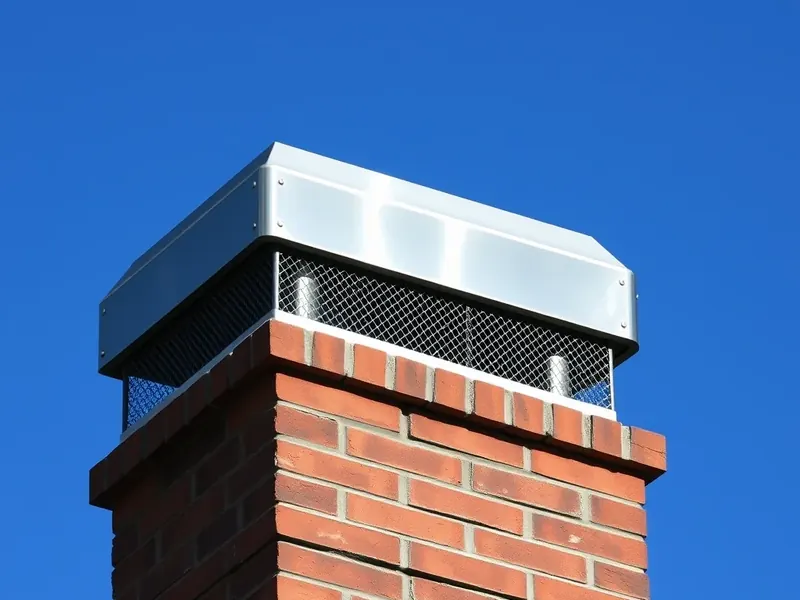
Why cold, calm nights in central Marin bring burn bans
The Air District calls residential wood burning the leading cause of Bay Area air pollution in winter. Most of that smoke goes up on exactly the evenings a fire feels best: cold, clear and windless. On those days a layer of warmer air can sit on top of cooler air near the ground and act like a lid, so smoke from thousands of chimneys has nowhere to go and collects where people breathe. Marin lies entirely within the Air District's territory, so a regional alert applies on the streets of downtown San Rafael and Santa Venetia just as it does in Oakland or San Jose.
The Air District names children, older adults and people with heart or respiratory problems as most at risk from those particles, and on closely spaced blocks like those between downtown and Gerstle Park, one chimney's smoke drifts straight into the yards next door.
Expect more no-burn days than you may be used to. On October 1, 2025 the Air District's board lowered the forecast level of fine particles that triggers a mandatory ban, from 35 to 25 micrograms per cubic meter, and the district said alerts would be called more often as a result. Plan for more cold evenings when the hearth has to stay dark.
How to check the burn status before you light a fire
Make the status check part of building a fire, the same way opening the damper comes first. The Air District offers several ways to find out whether an alert is in effect:
- The Spare the Air website or the Air District's wood smoke pages
- The Spare the Air app for iPhone and Android
- Text, email or phone alerts that you sign up for once
- A recorded no-burn hotline that tells callers whether a wood-burning ban is on
Alerts are announced ahead of the day they cover, so check the evening before a planned fire. Holidays are no exception: last winter's first alerts fell on the day before Thanksgiving and on Thanksgiving Day itself. An alert lasts the whole day and applies indoors and outdoors alike, so a backyard fire pit on a cold January weekend in Terra Linda is covered as well.
A first violation can be waived if the person cited completes an online wood smoke awareness class, while repeat violations bring tickets that grow with each offense. Treat an alert day as a gas-or-nothing evening and save the wood for the next legal night.
Local rules for fireplaces, stoves, remodels and home sales
Burn bans control when you may light a fire. Three levels of government also decide what kind of fireplace or stove a house in the San Rafael area may have.
The Air District. No wood-burning device of any kind may go into a newly built Bay Area home. When an owner takes on a fireplace or chimney remodel that needs a building permit and costs more than the district's threshold, the finished project has to run on gas or electricity or use an EPA-certified wood heater. Anyone selling, renting or leasing property in the region must also hand over the district's disclosure describing the health effects of wood smoke.
The City of San Rafael. New wood-burning fireplaces are no longer permitted in the city. A wood-burning fireplace legally in place before August 17, 2007 may continue in use on legal days. An existing fireplace may be fitted with an EPA-certified wood insert or with a permanently installed gas log unit, but converting a gas fireplace to burn wood is prohibited, and any new wood stove must be EPA-certified. When a major remodel takes in more than half of the existing floor area, an uncertified wood stove in the remodeled part of the home has to be removed or replaced with a certified model.
Unincorporated Marin. Homes outside city limits, such as those in Santa Venetia or Kentfield, follow the County of Marin's building standards instead. They call for any wood or pellet stove installed in a permitted project to meet the EPA's emission limits and carry a permanent certification label, and the county code has its own chapter on wood-burning devices. The County's Community Development Agency is the place to confirm details before a fireplace change.
Cleaner options that fit the rules: EPA-certified and gas inserts
If you want more fire nights each winter, the decision comes down to what you value most in a fire.
A gas insert is the choice for a real flame on alert days. It is a sealed firebox that slides into the existing masonry opening and vents through a liner run up the old flue, so a carved Victorian mantel or a broad mid-century brick face stays where it is while the fuel changes. Propane units suit hillside homes without a gas line.
An EPA-certified wood insert suits people who want to keep burning wood. Certified units burn much more completely than an open hearth, put more of the heat into the room and send far less smoke up the chimney. They still have to stay cold on alert days, however. The only exemption covers a home with no permanently installed heating, where a registered EPA-certified or pellet device is the sole source of heat, and an open fireplace never qualifies.
Leaving wood behind is the third path. The Air District's Clean HEET program helps eligible homeowners replace a wood or pellet device with an electric heat pump or decommission it altogether; check the district's site for current terms.
Gas and wood inserts both need a correctly sized liner and a chimney in sound condition, so the project usually begins with an inspection. Our page on fireplace insert installation explains how Chimney Services Pro plans that work in San Rafael homes.
Why a clean, inspected chimney matters in a shorter burning season
A season with fewer legal fire nights does not leave the flue any cleaner. When a ban rules out the weekend you planned, the next permitted evening often brings a quick fire in a cold firebox, and fires that never get the flue properly hot are the ones that coat it with sticky, tar-like creosote. Weeks without a fire also invite wildlife, and where oaks and bay trees shade the roofs of Sun Valley and Glenwood, an uncapped chimney collects leaf litter between uses.
Schedule the cleaning and inspection for September or October, before the winter season opens on November 1. A chimney sweep clears deposits and nesting material, and the camera pass during a chimney inspection shows whether the liner is cracked, something no burn-status check can reveal. Gas fireplaces and inserts need the visit too, because a vent blocked by a nest can push exhaust back into the room. If your chimney was shaken in a recent quake, read our guide to chimney safety after an earthquake before the first fire.